




Transform Ordinary Guitars into Showpieces with Bold Guitar Binding Choices

 0
0
 0
0
Read Time:6 Minute, 16 Second
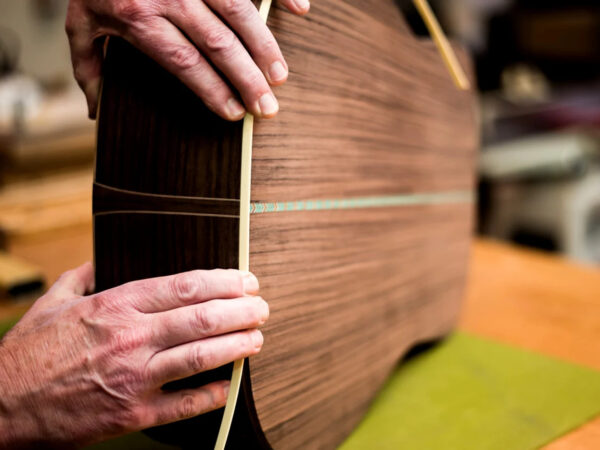
A beautifully crafted instrument is more than a tool for music—it’s a visual statement. Every detail contributes to its personality, from the tonewood selection to the final finish. One often underestimated element that dramatically enhances appearance is guitar binding. Far from being just a protective edge, this decorative component brings structure, contrast, and sophistication. When chosen thoughtfully, it transforms a standard build into a breathtaking showpiece. Today’s luthiers and players are exploring bold, artistic materials to give instruments a distinctive look that stands out on any stage or showroom wall.
Table of Contents
- Why Binding Shapes the Identity of an Instrument
- Popular Binding Materials That Make a Statement
- Bringing the Look Together: Choosing Complements and Contrasts
- Creative Ways of Binding Transforms an Ordinary Instrument
- Tips for Selecting the Right Material
- Conclusion
This guide explores how the right choices—such as rosewood binding, ebony binding, koa binding, and maple guitar binding—can elevate an ordinary build with remarkable visual impact. Whether you are building professionally, modifying your favourite acoustic, or researching tonewood aesthetics, these ideas will help you make informed, stylish decisions.
Why Binding Shapes the Identity of an Instrument
Beyond Protection: Aesthetic Precision
Traditionally, edging served the practical purpose of shielding vulnerable seams from moisture, impact, and wear. Over time, it evolved into a design feature that defines the silhouette of the instrument. Clean border work creates a crisp frame that highlights curves and craftsmanship. For artists and builders, it becomes a creative canvas that balances subtlety with drama.
How Edge work Influences Perception
The outline of an instrument influences how the eyes move across the body. Lighter accents brighten dark tonewoods, while deep hues create contrast against maple or spruce. Modern builders use this interplay to guide attention, making the instrument look more refined, premium, and sculptural, and carefully chosen guitar binding further enhances this visual flow.

Popular Binding Materials That Make a Statement
Natural Wood Edges for a Warm, Organic Look
Choosing wood instead of synthetic strips instantly adds depth and authenticity. Different species offer colour variation, grain character, and textural richness.
1. Rosewood Binding: Classic Elegance
Rosewood is a go-to choice for those who appreciate rich, chocolate-like tones and long, swirling grain patterns. When paired with spruce or mahogany, its contrast becomes striking without overpowering. This option suits builders who want timeless appeal with a luxurious finish.
2. Ebony Binding: Bold and Sophisticated
Ebony is known for its near-black colour and incredibly smooth feel. Using ebony binding creates a sharp, refined edge—ideal for players who prefer clean, modern styling. It gives light-coloured tops a crisp outline and pairs beautifully with high-end back and side sets.
3. Koa Binding: Exotic and Expressive
Koa brings visual drama with its golden hues and naturally figured grain. Koa binding works especially well on instruments designed to stand out. When matched with koa back and sides, it creates a seamless, glowing frame. When paired with contrasting woods, it becomes a vibrant accent.
4. Maple Guitar Binding: Bright, Clean Contrast
Maple is one of the most versatile options. Its lighter tone creates a subtle yet distinguished border. Many builders use maple guitar binding to give darker tonewoods a visual lift. It reflects light beautifully and adds a crisp definition around the edges.
Bringing the Look Together: Choosing Complements and Contrasts
Match or Contrast? Both Approaches Work
Bindings can either blend with the body or stand out boldly. Matching wood creates smooth, continuous styling. Contrasting colours emphasize shape and craftsmanship. Consider:
- Does the body wood feature deep or light hues?
- Do you want a striking perimeter or a soft transition?
- Should the border match the fret board or head plate?
Builders often experiment with combinations, sourcing options from a trusted tonewood supplier who offers varied species and figure grades.
Finishes and Edge Profiles Make a Difference
Gloss finishes amplify contrast, while satin gives a mellow, natural appearance. Rounded profiles soften the look, whereas sharp edges appear more modern. The details matter—especially when the goal is to create a showpiece.
Creative Ways of Binding Transforms an Ordinary Instrument
Highlighting Body Contours
Bold edging traces the architecture of the instrument, drawing attention to curves and craftsmanship. Thoughtful selections can make smaller bodies appear fuller or emphasize the waist and lower bout.
Adding Visual Balance
When the top and back feature different tonewoods, the perimeter becomes the unifying element. This helps the instrument feel cohesive rather than mismatched.
Enhancing Stage Presence
Musicians who perform live benefit from instruments that visually stand out under lighting. Contrasting edgework adds definition that audiences can appreciate even from a distance.
Elevating Perceived Value
Quality edge work signals attention to detail. This can influence both the resale value and the overall perception of craftsmanship.

Tips for Selecting the Right Material
Evaluate Your Tonewoods First
Body colour and texture dictate what kind of border works best. Dark body woods pair beautifully with lighter options, while blond tops benefit from dark or richly coloured edges.
Think About Longevity
Harder woods, such as ebony and maple, withstand wear better than softer materials. Their resilience makes them ideal for working musicians.
Consider Weight and Workability
Some materials bend more easily around tight curves. If the design includes dramatic waist shaping, your choice should account for flexibility.
Answers to Your Queries
Does it affect the sound of the instrument?
While primarily decorative and protective, edge work can offer minor reinforcement to body seams, helping maintain long-term structural stability. Its impact on tone is minimal, but its role in durability is valuable.
Can it be added to an existing guitar?
Yes, but it typically requires professional work. The edges must be carefully routed and fitted. For older or sentimental instruments, this upgrade can dramatically enhance appearance.
Which binding material is the most durable?
Dense hardwoods such as ebony and maple are among the most durable. They resist impact and wear, making them ideal for instruments used frequently on stage or during travel.
Is wooden binding harder to install than synthetic materials?
Wood requires more care because it must be precisely bent to match body curves. However, the visual reward is significant. Many builders prefer natural materials despite the extra work.
Does binding require special maintenance?
Generally, no. Regular cleaning and proper storage of the instrument are sufficient. Wooden edges may benefit from occasional light conditioning, similar to fret-board maintenance.
Conclusion
Transforming an ordinary instrument into a breathtaking showpiece requires attention to the details that define its character. Guitar binding may appear subtle, but it dramatically influences aesthetics, structural integrity, and visual flow. Whether you choose the timeless appeal of rosewood binding, the bold contrast of ebony, the vibrant warmth of koa binding, or the clean precision of maple guitar binding, the right selection elevates your build from simple to spectacular. For luthiers, hobbyists, and tonewood enthusiasts, thoughtful choices create instruments that not only sound exceptional but also tell a visual story through craftsmanship and style.


Happy
0 %

Sad
0 %

Excited
0 %

Sleepy
0 %

Angry
0 %

Surprise
0 %
You may also like ...